

Principle of graphite sheet heat dissipation:
A typical thermal management system consists of an external cooling device, a heat sink, and a thermal section. Taking a smartphone product as an example:
1. Heat is rapidly conducted to the casing and frame through the plane of the heat-conducting graphite sheet;
2. Enhanced infrared radiation effect on the surface of heat-conducting graphite sheets;
3. Thermal conductive graphite sheets expand the planar heat dissipation area and quickly dissipate hot spots.
Parameters related to thermal conductive graphite sheets:
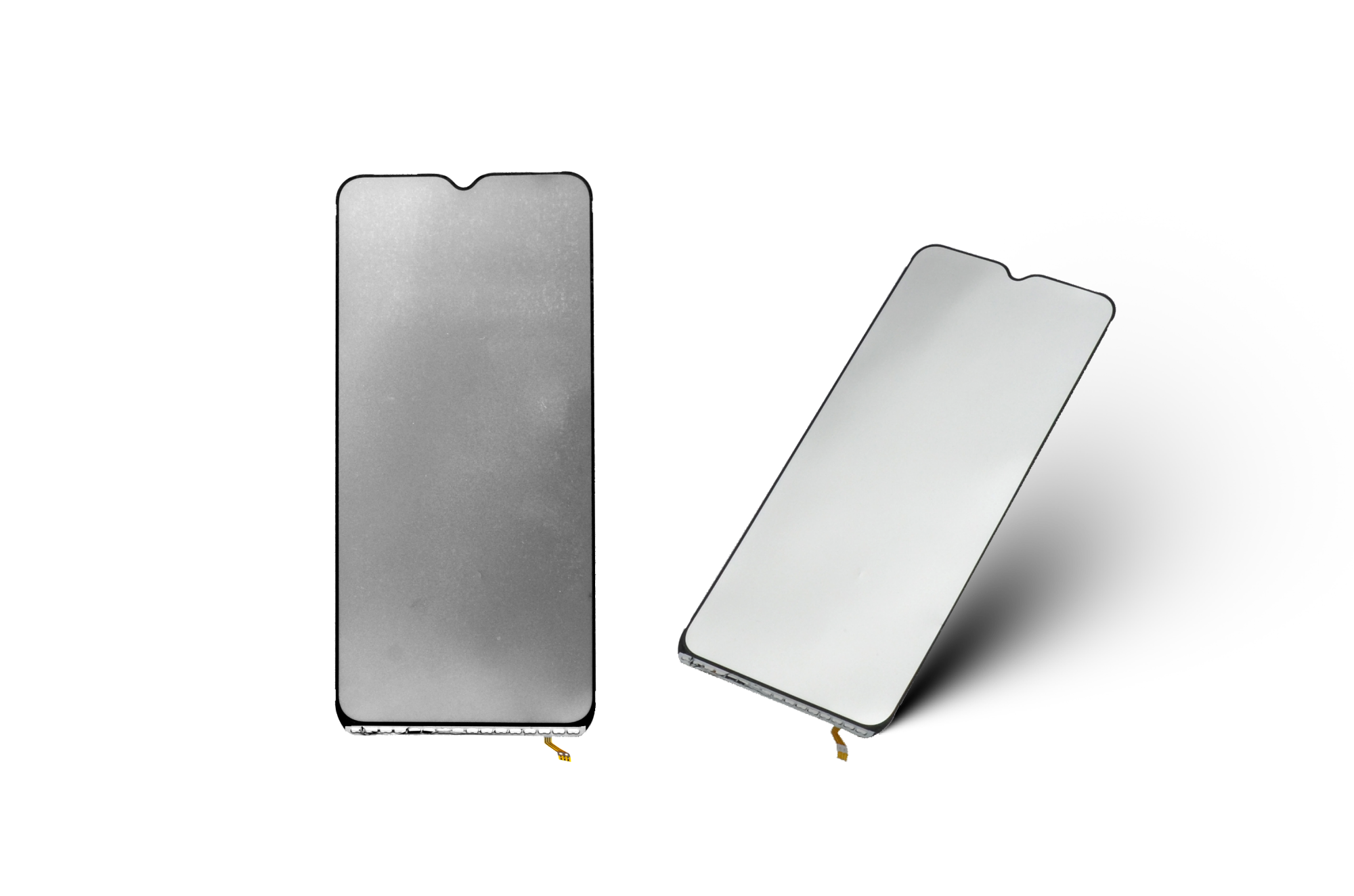
Thin film polymer compounds can be chemically processed to obtain graphitized thin films under high temperature and high pressure. Although carbon is a non-metallic element, it has the conductivity and thermal conductivity of metallic materials, as well as plasticity similar to organic plastics. It also has special thermal properties, chemical stability, lubrication, and the ability to be coated on solid surfaces, among other good processing properties.
Therefore, thermal conductive graphite has been widely used in many fields such as electronics, communication, lighting, aviation, and defense industry. Graphite thermal conductive materials provide a comprehensive and high-performance unique solution for the heat management industry.
Application scope of thermal conductive graphite sheet:
Thermal conductive graphite materials bring new technological solutions to the increasingly diverse industrial heat dissipation field through a series of different heat management solutions. Thermal conductive graphite material products provide innovative new technologies for heat management in the electronic industry. Thermal conductive graphite provides superior thermal conductivity while reducing device weight, making it a new application solution for thermal design in heat dissipation.
The surface of heat-conducting graphite can be combined with other materials such as metal, plastic, and adhesive to meet more design functions and needs.
Low thermal resistance: The thermal resistance is 40% lower than aluminum and 20% lower than copper;
Lightweight: 25% lighter than aluminum and 75% lighter than copper;
High thermal conductivity: Graphite heat sinks can be smoothly attached to any flat or curved surface, and can be cut in any form according to customer needs.
Processing and formation of thermally conductive graphite sheets:
In order to better adapt to the undulating surfaces of electronic devices and circuit modules, it is necessary to perform certain processing on the heat-conducting graphite sheets. The main processing methods are:
1. Adhesive backing: For the purpose of better adhesion to ICs and circuit boards, adhesive backing is applied to the surface of thermally conductive graphite sheets;
2. Back film: In some circuit designs that require insulation or thermal insulation, a back film treatment is applied to the surface of graphite sheets to achieve better functional optimization.
We can select suitable processing methods based on the actual needs of the product.
Application of Thermal Conductive Graphite Sheets in Smartphones:
The CPU speed, memory capacity, and operating system performance of smartphones are constantly increasing, and the ultra-thin body gradually increases the requirements for heat dissipation. Currently, more and more smartphones sold in the domestic market are using graphite sheets as thermal conductive materials, such as Apple, Samsung HTC、 Xiaomi and so on.